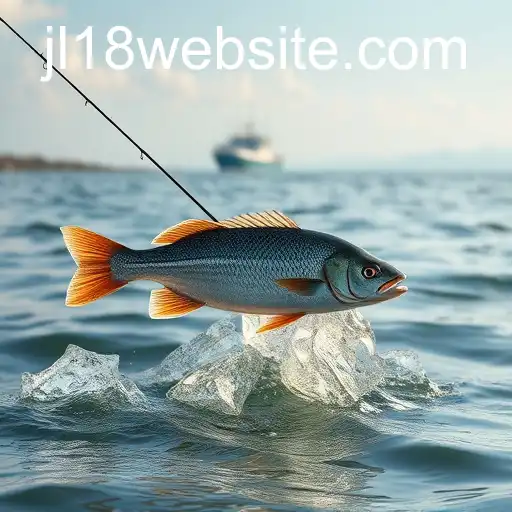
Exploring the World of Fishing
Fishing is an age-old practice that has been part of human life for thousands of years. It involves catching fish, typically in the wild, and is practiced for both commercial and recreational purposes. This activity is renowned not only for providing sustenance but also for offering a serene and meditative escape from everyday life. While fishing methods and equipment have evolved over the centuries, the fundamental essence of the activity remains unchanged.
The Rich History of Fishing
The beginnings of fishing date back to prehistoric times. Early humans engaged in fishing to ensure their survival, using rudimentary tools made from bones, stones, and sticks. Over time, communities living near water bodies developed sophisticated fishing techniques. The ancient Egyptians, for example, depicted fishing scenes on their tombs, showcasing the role of fishing in their culture.
In the Middle Ages, fishing took on more commercial importance, especially in regions bordering large water bodies. As societies grew, so did the demand for fish, leading to the establishment of markets and trade routes centered around this vital resource.
Techniques and Methods
The methods used in fishing vary significantly depending on the purpose, location, and type of fish targeted. Some traditional methods are still in use today, albeit with technological enhancements.
Casting and Trolling Casting involves throwing a baited line into the water to catch fish, a common recreational technique. Trolling, on the other hand, involves dragging baited lines behind a vessel, making it effective in deeper waters and often used in commercial fishing.
Netting Netting is a technique where nets of varying sizes are used to capture fish. It is a versatile and efficient method, often employed in both small-scale artisanal fishing and large-scale commercial operations. Gillnets and seine nets are popular variations used in different fishing contexts.
Fishing for Recreation
Recreational fishing, also known as sport fishing, is a popular pastime worldwide. Enthusiasts engage in this activity for leisure, competition, or as a hobby. Anglers often aim to catch rare or large fish, with some participating in tournaments and competitions. The meditative nature of fishing makes it especially appealing, providing an opportunity to connect with nature and find peace by the water.
As more people become environmentally conscious, catch-and-release has gained popularity among recreational fishers. This practice promotes sustainability, allowing fish populations to thrive while still enjoying the sport.
Fishing and Sustainability
With the ever-growing demand for fish, sustainable practices have become paramount. Overfishing, pollution, and habitat destruction pose significant threats to marine ecosystems. Consequently, various measures have been introduced to protect these environments and ensure that fishing can continue without depleting resources.
Marine protected areas (MPAs) have been established worldwide to preserve marine biodiversity. These regions restrict certain activities to allow ecosystems to recover and flourish. Moreover, governments and organizations have implemented quotas and regulations to prevent overfishing and promote sustainable fishing practices.
Sustainable Fishing Techniques Handline fishing, which involves using a single fishing line with bait, is considered sustainable as it minimizes bycatch and habitat impact. Additionally, pole and line methods are gaining popularity as they offer a low-impact alternative to industrial fishing methods.
The Economic Importance of Fishing
Fishing contributes significantly to the global economy, providing livelihoods for millions of people. From small coastal communities to large-scale commercial enterprises, the industry plays a vital role in food security and economic development.
In many developing nations, fishing is a primary source of employment and income. Local economies often thrived on the trade of fish and seafood, making it an essential sector for economic growth. The industry also supports ancillary businesses, including processing, packaging, and transportation, further boosting local economies.
Challenges and the Future
The fishing industry faces numerous challenges in the 21st century. Climate change, pollution, and geopolitical tensions affect fish stocks and the livelihoods of those who depend on them. Rising sea temperatures and ocean acidification have altered fish migration patterns, causing shifts in fish availability and distribution.
To tackle these issues, innovations and technological advancements are being explored. Aquaculture, for example, offers a viable solution to meet the increasing demand for fish. However, it must be managed carefully to avoid environmental degradation.
Role of Technology Technology plays a crucial role in modern fishing. Sonar and GPS technology improve the efficiency of fish location and navigation, while advanced materials and designs in fishing gear enhance overall effectiveness. Additionally, data analytics and satellite monitoring help in tracking fish populations, enabling better conservation efforts.
Conclusion
Fishing remains a multifaceted practice, deeply embedded in human culture and vital for economic sustenance. Its evolution over the centuries reflects humanity's adaptability and innovation. Moving forward, the balance between meeting human needs and preserving ecological integrity will determine the future of fishing. As individuals, embracing sustainable practices while appreciating the cultural and economic significance of fishing can help secure its role for generations to come.